Heat styling is a staple in many hair care routines, allowing us to achieve sleek, straight locks, bouncy curls, and voluminous waves. However, the frequent use of heat tools can lead to significant hair damage if not done correctly. Understanding the basics of heat styling and how to protect your hair is crucial for maintaining healthy, beautiful hair. In this guide, we’ll explore the essentials of Heat Styling 101 and provide you with comprehensive tips to protect your hair from damage.
Understanding Heat Styling Tools
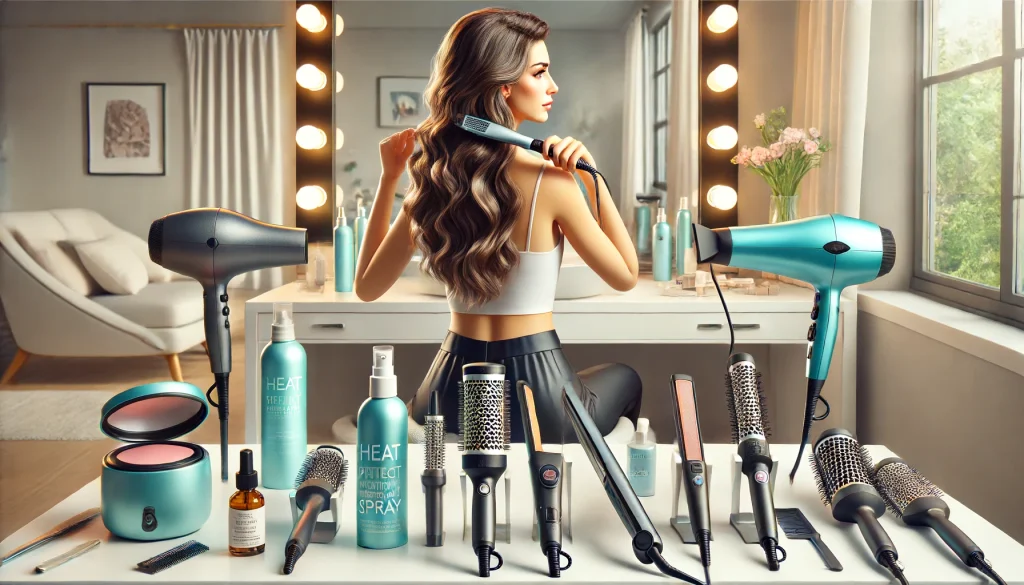
Heat styling tools come in various forms, each designed to achieve different effects on your hair. The most common tools include:
- Flat Irons: Used for straightening and smoothing hair.
- Curling Irons/Wands: Create curls and waves of varying sizes.
- Blow Dryers: Dry hair quickly and add volume.
- Hot Rollers: Set curls with heat for longer-lasting styles.
Each of these tools operates at high temperatures, which can strip hair of its natural moisture, leading to dryness, breakage, and split ends.
The Importance of Heat Protectants
One of the fundamental lessons in Heat Styling 101 is the use of heat protectants. These products create a barrier between your hair and the heat tool, reducing the risk of damage.
- Sprays: Easy to apply and lightweight, heat protectant sprays are suitable for all hair types.
- Creams: Offer additional moisture and protection, ideal for dry or thick hair.
- Serums: Provide shine and protection, perfect for frizzy or coarse hair.
To use a heat protectant, apply it evenly to damp or dry hair before using any heat styling tool. Ensure your hair is thoroughly coated for maximum protection.
Choosing the Right Heat Settings
Heat Styling 101 emphasizes the importance of using the correct heat settings for your hair type. High temperatures can be damaging, especially for fine or chemically-treated hair.
- Fine/Thin Hair: Use lower heat settings (300-350°F) to prevent damage.
- Normal Hair: Medium heat settings (350-400°F) are typically safe.
- Thick/Coarse Hair: Higher heat settings (400-450°F) can be used, but with caution.
Always start with the lowest heat setting that will achieve your desired style and gradually increase if necessary.
Techniques for Safe Heat Styling
Proper technique is a crucial aspect of Heat Styling 101. Here are some tips to ensure you’re styling safely:
- Blow Drying: Use a heat protectant and a nozzle attachment to direct airflow. Keep the dryer moving to avoid concentrating heat in one spot. Finish with a cool shot to lock in style and add shine.
- Flat Ironing: Ensure hair is completely dry before using a flat iron. Glide the iron slowly down small sections of hair for even heat distribution. Avoid going over the same section multiple times.
- Curling: Wrap small sections of hair around the barrel without overlapping too much. Hold for a few seconds and release gently. Allow curls to cool completely before touching them to set the style.
Maintaining Hair Health with Regular Treatments
Even with the best heat styling practices, your hair will benefit from regular treatments to maintain its health.
- Deep Conditioning: Use a deep conditioning treatment once a week to restore moisture and repair damage. Look for products with nourishing ingredients like argan oil, keratin, and shea butter.
- Leave-In Conditioners: These products provide continuous hydration and protection throughout the day. Apply to damp hair before styling for added benefits.
- Hair Masks: Incorporate hair masks into your routine to strengthen and repair your hair. Use them bi-weekly or monthly, depending on your hair’s condition.
Avoiding Common Heat Styling Mistakes
Heat Styling 101 wouldn’t be complete without addressing common mistakes that can lead to unnecessary damage.
- Skipping Heat Protectant: Always use a heat protectant, even if you’re in a hurry. It’s a crucial step in preventing damage.
- Using Too Much Heat: Higher heat doesn’t always mean better results. Use the lowest effective temperature to style your hair.
- Over-Styling: Give your hair breaks between heat styling sessions. Try heatless styles like braids or buns to reduce heat exposure.
- Styling Wet Hair: Never use hot tools on wet or damp hair unless they are specifically designed for wet styling. This can cause severe damage and breakage.
Post-Heat Styling Care
Taking care of your hair after heat styling is just as important as protecting it during the process. Here’s how to keep your hair healthy and vibrant:
- Cool Down: Allow your hair to cool completely before brushing or touching it. This helps set the style and reduce frizz.
- Gentle Detangling: Use a wide-tooth comb or a brush designed for detangling to avoid breakage. Start from the ends and work your way up to the roots.
- Moisturize: Apply a light, hydrating serum or oil to the ends of your hair to replenish moisture and add shine.
Incorporating Protective Hairstyles
Incorporating protective hairstyles into your routine can minimize heat exposure and reduce the risk of damage. These styles keep your hair tucked away, reducing friction and breakage.
- Braids: From simple three-strand braids to intricate box braids, these styles protect your hair while looking stylish.
- Buns: High buns, low buns, and messy buns keep your hair secure and protected.
- Twists: Two-strand twists or flat twists are gentle on the hair and reduce manipulation.
Listening to Your Hair
A vital part of Heat Styling 101 is paying attention to your hair’s needs. Each person’s hair is unique, and what works for one may not work for another.
- Assess Damage: Regularly check your hair for signs of damage, such as split ends, dryness, or breakage. Adjust your routine accordingly.
- Adjust Products: Your hair’s needs can change with the seasons or your lifestyle. Be flexible and willing to try new products or techniques.
- Seek Professional Advice: If you’re unsure about your hair’s condition or how to care for it, consult a professional stylist. They can provide personalized advice and treatments.
Conclusion: Heat Styling 101
Mastering Heat Styling 101 involves more than just knowing how to use your tools. It’s about understanding your hair’s needs, using the right products, and employing techniques that minimize damage. By following the tips and guidelines outlined in this guide, you can enjoy the benefits of heat styling while maintaining healthy, beautiful hair. Remember, protecting your hair from heat damage is an ongoing process that requires care and attention, but the results are worth it: gorgeous, resilient hair that looks and feels fantastic.